The Bitcoin Heuristic: A Mental Model for AI
If you have been around Bitcoin for more than one cycle, you know the feeling.
You remember the initial skepticism ("It's a Ponzi"). You remember the confusion ("How does mining work?"). And you remember the specific moment the switch flipped - when you stopped looking at the price and started looking at the protocol.
You might think that journey was unique to hard money. It wasn't.
You are about to walk the exact same path with AI.
The journey from "AI Skeptic" to "AI Native" follows the exact same stages. The traps are identical. And the endpoint - finding signal in the noise - is identical.
If you found your way to "tick tock next block," you already have the playbook to become AI native.
Does this path look familiar?



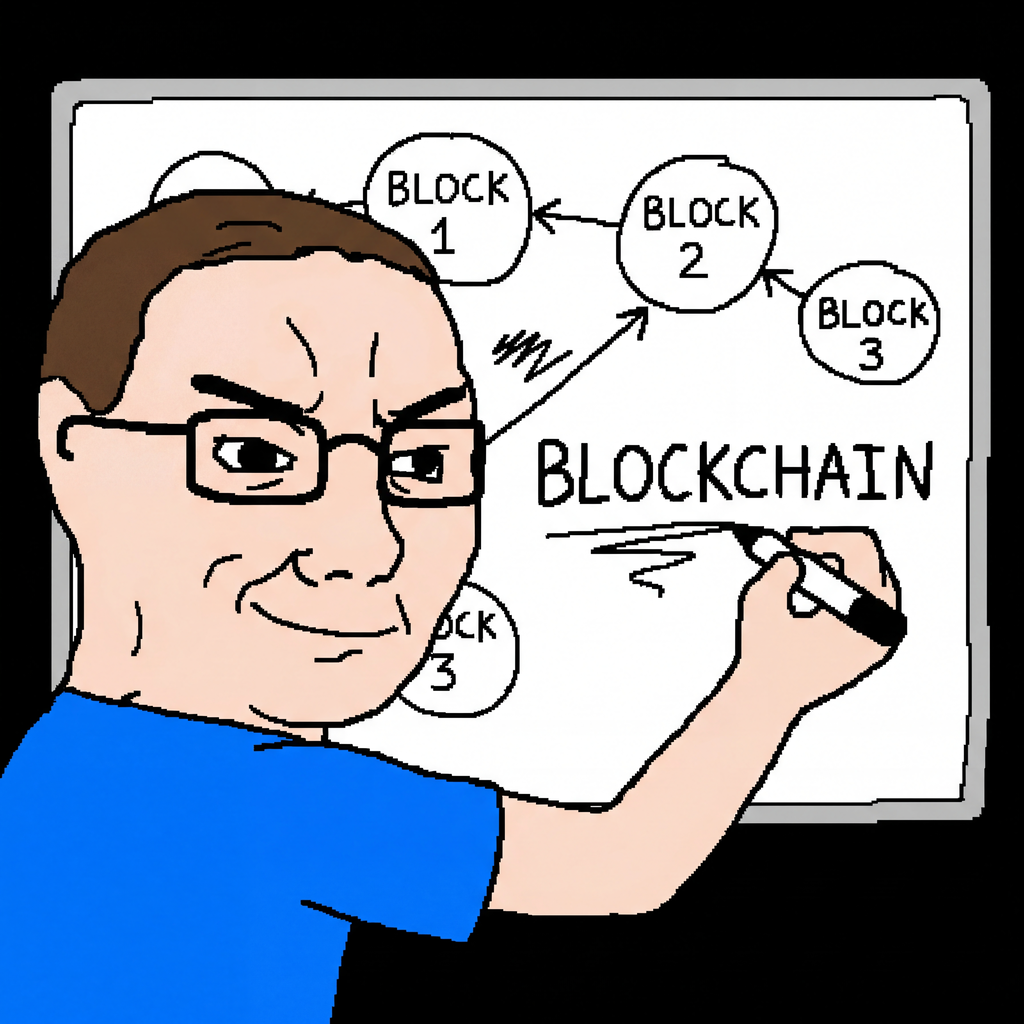


1. The Skeptic
Hubris got the best of you, as it did most of us.
- The Bitcoin Skeptic: You used "magic internet money" like a punchline. It was easier to mock the volatility than admit you didn't understand the protocol.
- The AI Skeptic: You screenshot the hallucinations and post them for engagement. Mocking the "slop" makes you feel safe; it proves that humanity still has the edge.
The Trap: You are using cynicism as a shield. Dismissing the tech feels like wisdom, but it's actually just fear of the rate of change.
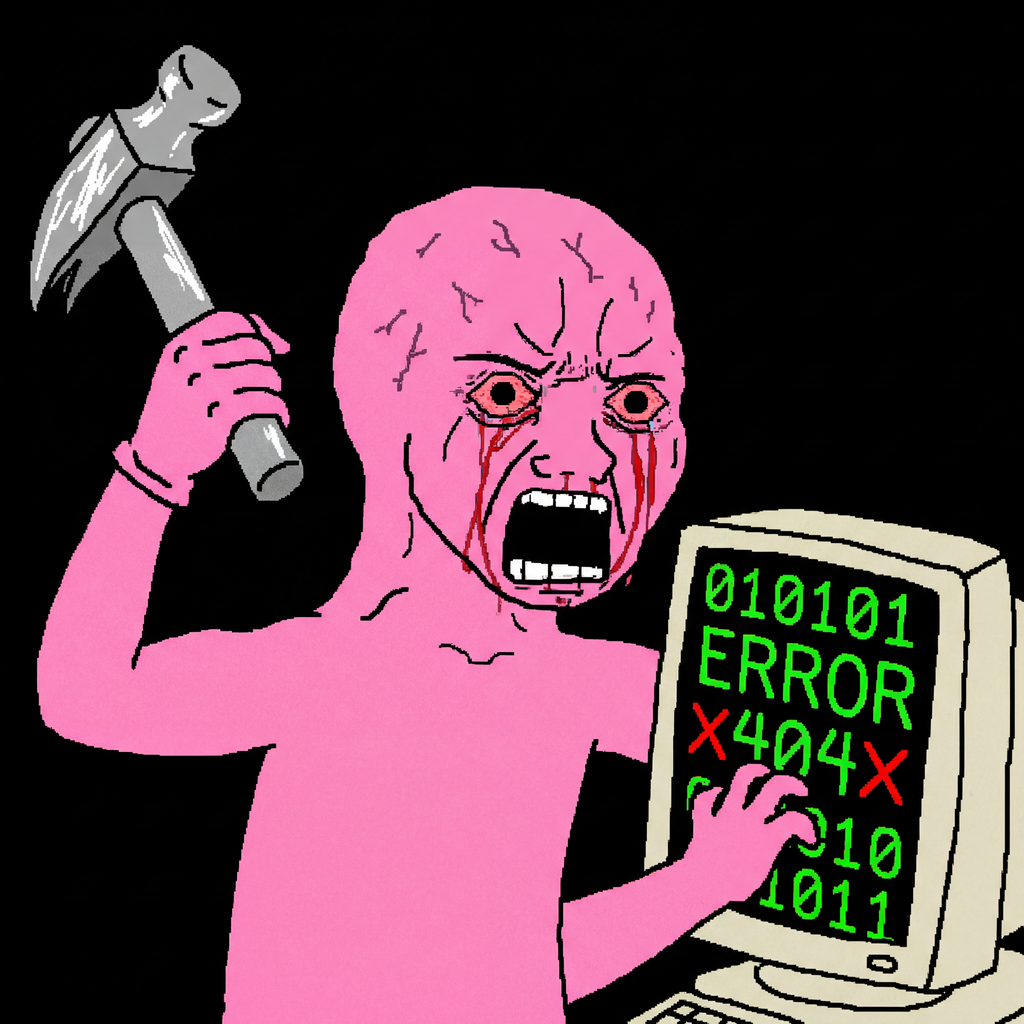
2. The Tourist
The "Toy Phase." You decide to engage, but you treat it like a game.
- The Bitcoin Tourist: You didn't care about censorship resistance. You bought Doge because your friends did, and you wanted the dopamine hit of "number go up."
- The AI Tourist: You don't care about reasoning capabilities. You treat the model like a party trick - trying to get it to make a video of your cat bench pressing or say something forbidden.
The Trap: You are treating a tool like a toy. Most people get stuck here - they pull the lever, look for the magic, get bored, and leave before they ever find the utility.
3. The Speculator
This is where you got hurt. You saw the potential, but you let your ego take the wheel.
- The Bitcoin Speculator: You confused a bull market for brain power. You leveraged everything on an altcoin because you thought you were smarter than the market. You weren't.
- The AI Speculator (The Prompt Engineer): You confused early access for a moat. You are building "wrappers" that are one update away from being obsolete, convinced you've found a shortcut to building software.
The Trap: Greed. You want the leverage without the discipline. You are trying to skip the "Student" phase and go straight to the payout.
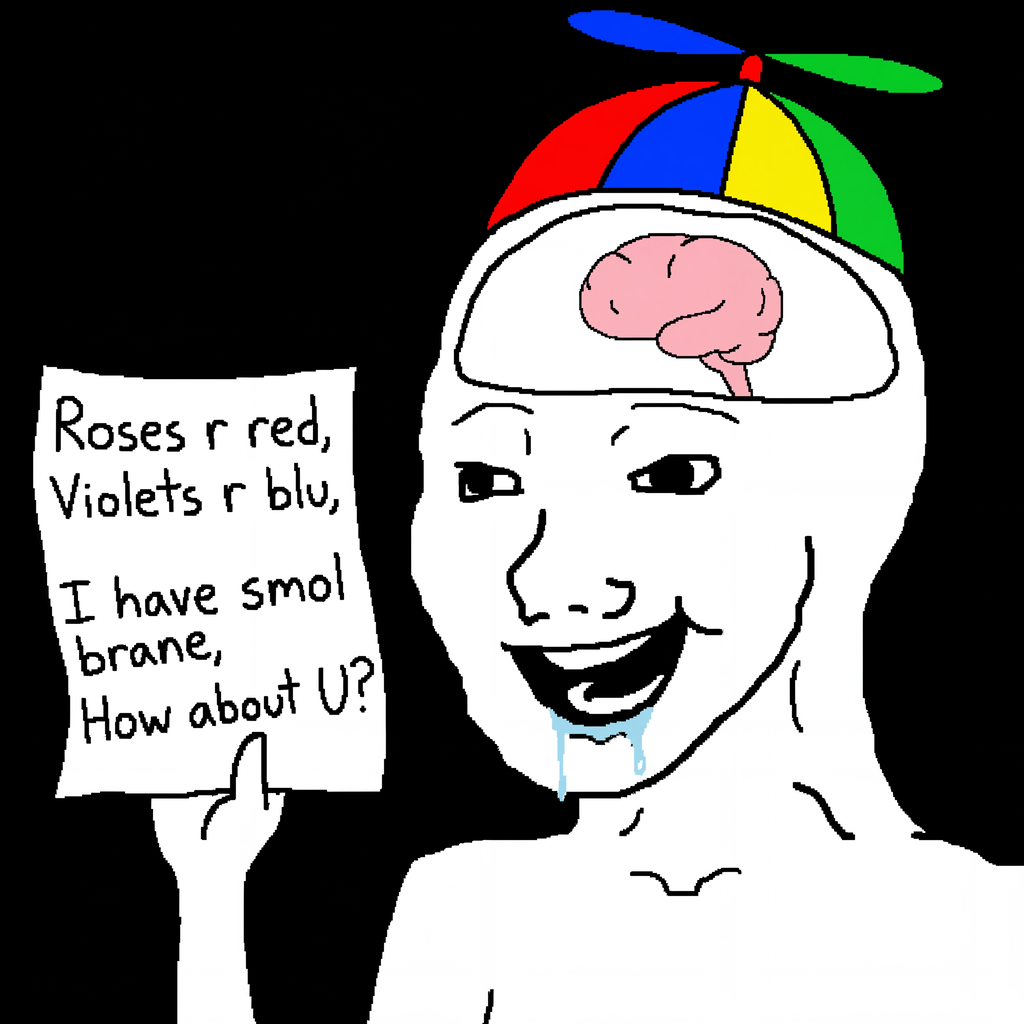
4. The Student
The pivot point. The moment the noise stops.
- The Bitcoin Student: You stop watching the price charts. You realize that "getting rich" was the distraction, and "censorship-resistant money" was the point. You start reading the whitepaper.
- The AI Pragmatist: You stop looking for the "God Prompt." You realize the model isn't a magic 8-ball; it's a deterministic engine. You stop trying to trick it and start trying to architect it.
The Shift: You stop trying to exploit the system and start trying to understand it.
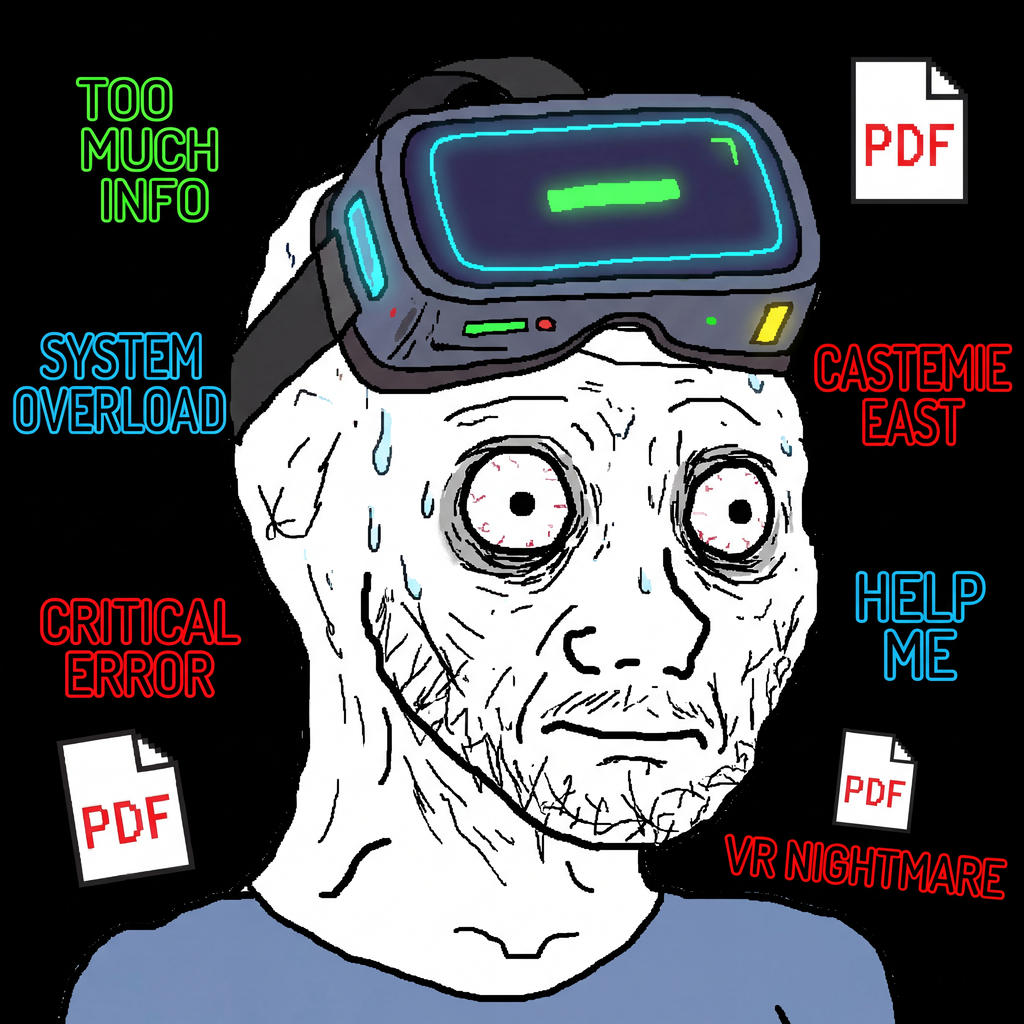
5. The Native
The endpoint. The tool disappears and becomes an extension of how you think.
- The Bitcoin Maximalist: You don't "check the price" anymore. You measure your wealth in sats, not dollars. The volatility doesn't scare you because your time horizon is "forever."
- The AI Native: You don't "chat" with the bot anymore. You view intelligence as a commodity you can pipe, route, and stack. You don't ask the AI to do a task; you build a system that contains the AI.
The User types into a prompt box. You, the Native, build the box. You look at a problem and see a system that can be dismantled, reasoned through, and rebuilt.
The First-Mover Advantage
The world is splitting.
Most of your peers are stuck in Stage 1 or 2. They are dismissing AI as "slop" or playing with it as a toy. They are waiting for it to be perfect before they take it seriously.
You don't have that luxury.
If you are a Bitcoiner, you have already trained your brain to:
- Ignore the FUD.
- Look past the volatile hype cycle.
- Study first principles.
- Optimize for leverage.
You don't need to "believe" in AI. You just need to recognize the territory. You have walked this path before.
What you learned watching money become software is what you're watching again as thinking becomes software.
"History doesn't repeat itself but it often rhymes" — Mark Twain
Further Reading
- The Bullish Case for Bitcoin - The essential map for understanding the asset's trajectory.
- The Bitter Lesson - Rich Sutton's proof that in AI, leveraging computation always beats human cleverness.
- Software 2.0 - Andrej Karpathy on why AI is a fundamental shift in how we engineer systems.